
Home / Treatments / Digital Imaging
Digital Imaging in Aventura, FL
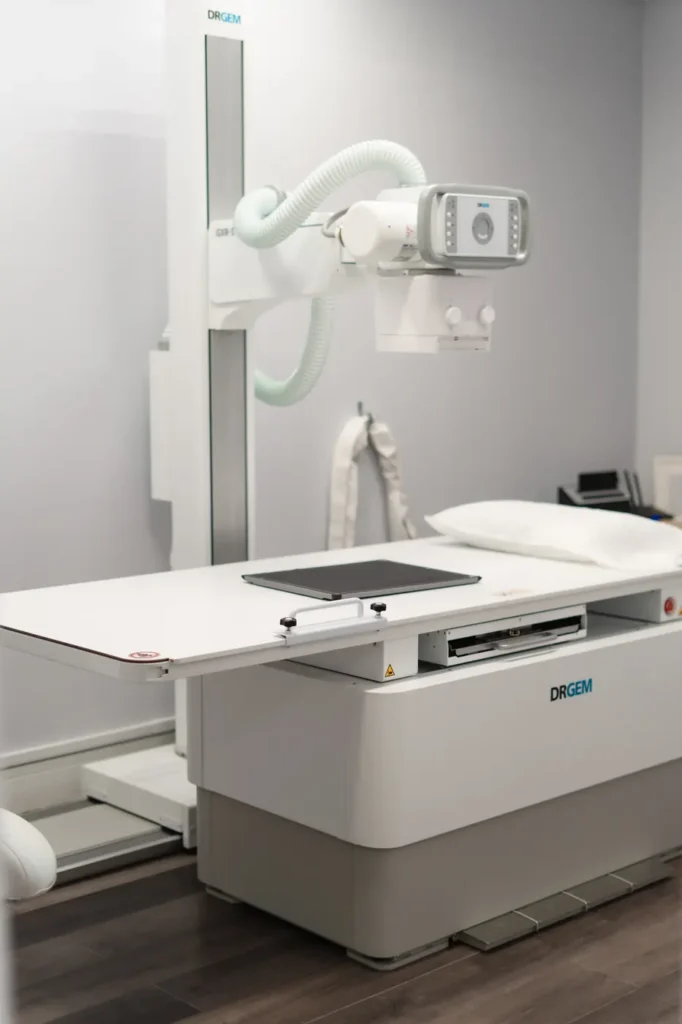
FTG Ortho offers on-site digital X-ray, MRI and ultrasound in Aventura, so your orthopedic specialist can see what is causing your pain and plan treatment without sending you elsewhere for scans.
01
Overview
Digital imaging uses X-ray, MRI and ultrasound technology to create detailed pictures of your bones, joints and soft tissues, which are viewed on a computer instead of film. These images help your orthopedic specialist find the cause of pain, injury or limited movement.
Each type of imaging shows something different. X-rays are best for bones, fractures and arthritis. MRI shows soft tissues such as ligaments, tendons, cartilage and discs in detail. Ultrasound shows muscles and tendons in real time and can help guide some injections.
Because FTG Ortho has imaging on site in Aventura, your images can be reviewed by the same team that is treating you. That means a more coordinated visit and a prompt path to a diagnosis and treatment plan.
02 / What Imaging Can Show
Imaging helps our specialists confirm a diagnosis and choose the right next step.
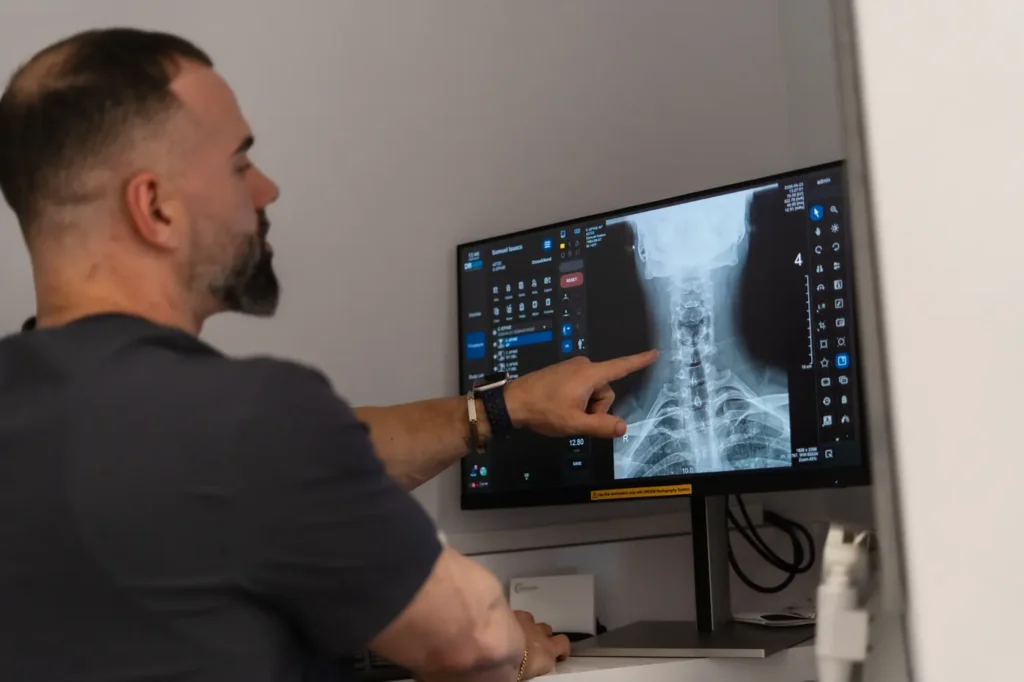
X-rays quickly show broken bones, joint alignment and dislocations after a fall, sports injury or accident.
Joint space narrowing, bone spurs and other signs of arthritis in the knee, hip, shoulder and hands.
MRI and ultrasound can show tears and strains in structures like the ACL, rotator cuff and Achilles tendon.
MRI provides detailed views of cartilage and meniscus damage that X-rays cannot show.
Imaging helps evaluate disc problems, nerve compression and degenerative changes in the neck and back.
Follow-up images help track how a fracture, surgery or injury is healing over time.
03 / Imaging Options
Your specialist will recommend the type of imaging that best answers the question about your symptoms.
Fast images of bones and joints. Digital X-ray images are ready to review quickly and can be adjusted on screen for clearer detail.
Detailed images of soft tissues using a strong magnet and radio waves, with no ionizing radiation. Used for ligaments, tendons, cartilage and discs.
Real-time images of muscles, tendons and joints using sound waves, with no radiation. Can show movement and help guide injections.
04 / What to Expect
01
Your FTG Ortho specialist examines you and decides whether imaging is needed and which type will be most helpful.
02
You may be asked to remove metal items. For MRI, we screen for implants, pacemakers or other metal before the scan for your safety.
03
A technologist positions you comfortably. X-rays take minutes, ultrasound is done with a handheld probe, and MRI requires lying still for a longer scan.
04
Your images are reviewed by our team, and your specialist explains the findings and recommends next steps for treatment.
05 / Why FTG Ortho
Having X-ray, MRI and ultrasound in the same Aventura clinic as your orthopedic team keeps your care connected, from first visit to diagnosis to treatment.
Is it right for you?
Not every injury needs a scan. Your specialist will recommend imaging when it is likely to change your diagnosis or treatment, such as after an injury or when pain does not improve as expected.
Request an appointment at FTG Ortho in Aventura for an orthopedic evaluation with on-site imaging when you need it.
FAQs
Answers to common questions about digital imaging at FTG Ortho in Aventura, FL.
X-rays use a small dose of radiation to show bones, so they are best for fractures and arthritis. MRI uses a strong magnet and radio waves to show soft tissues like ligaments, cartilage and discs in detail. Ultrasound uses sound waves to show muscles and tendons in real time. Your specialist chooses the test that best fits your symptoms.
Yes, for most people the benefit of a needed X-ray outweighs the small risk from radiation exposure. The FDA notes that X-rays should only be done when medically useful, using the lowest practical dose. Tell your provider if you are or might be pregnant. MRI and ultrasound do not use ionizing radiation.
It depends on the type of metal or device. Some implants, pacemakers and other devices are not safe in an MRI scanner, while many orthopedic implants are. Before any MRI at FTG Ortho, you will complete a safety screening. Tell our team about any implants, devices, shrapnel or metal fragments so we can confirm the scan is safe.
It depends on the test. An X-ray usually takes only a few minutes, and an ultrasound often takes 15 to 30 minutes. An MRI takes longer because you need to lie still while images are captured. Our team will tell you what to expect for your specific scan when you schedule.
Because imaging is done on site, your images are available to our team quickly. In many cases your specialist can review findings with you during your visit, especially for X-rays. Some studies, such as MRI, may need additional review before a final report, and our team will let you know when to expect results.
Keep exploring
Sports medicine at FTG Ortho focuses on diagnosing, treating and preventing sports and activity-related injuries of the...
Spine care at FTG Ortho diagnoses and treats neck, back and spinal conditions such as herniated discs, sciatica and spinal...
Joint replacement at FTG Ortho replaces a damaged hip, knee or shoulder joint with durable implant components to relieve...
This page is for general information and is not medical advice. Your provider will determine which imaging, if any, is appropriate for you.