
Home / Treatments / Regenerative Medicine / PRP Therapy
PRP Therapy in Aventura, FL
PRP therapy uses a concentrated portion of your own blood to support healing in injured tendons, ligaments and joints. At FTG Ortho in Aventura, it is a non-surgical option for patients with certain tendon injuries and mild to moderate knee arthritis.
01
Overview
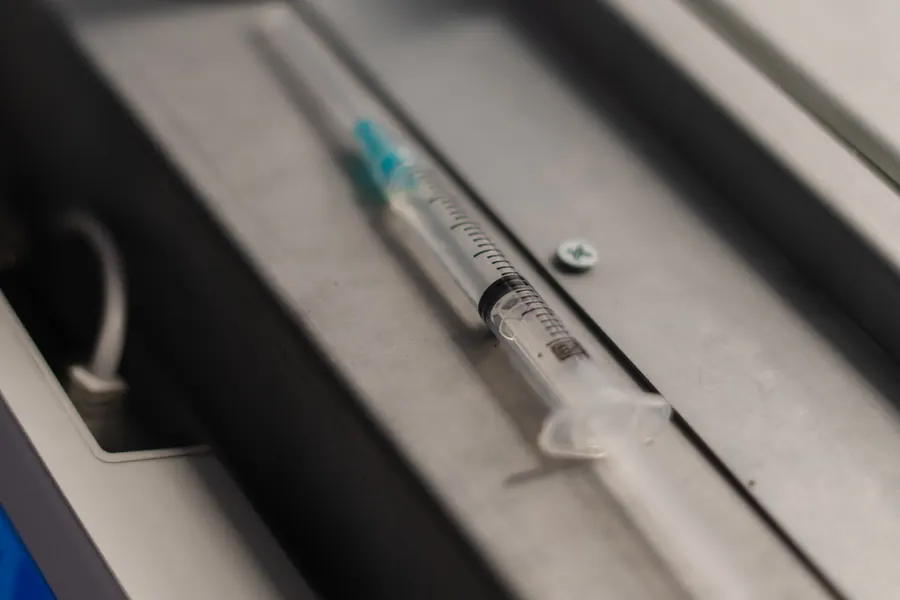
PRP therapy is an injection made from your own blood that has been processed to concentrate platelets. Platelets carry growth factors, proteins that play an important role in how the body repairs injured tissue.
To make PRP, a small amount of blood is drawn and spun in a centrifuge to separate the platelets from other blood cells. According to the American Academy of Orthopaedic Surgeons (AAOS), the platelet concentration in PRP can be 5 to 10 times higher than in normal blood. The PRP is then injected into the injured or painful area.
Research on PRP is still growing. The AAOS notes the strongest evidence so far is for certain chronic tendon injuries, especially tennis elbow, and for mild to moderate knee osteoarthritis. Our team at FTG Ortho will review your history and imaging to tell you honestly whether PRP is a reasonable option for you.
02 / Conditions We Treat
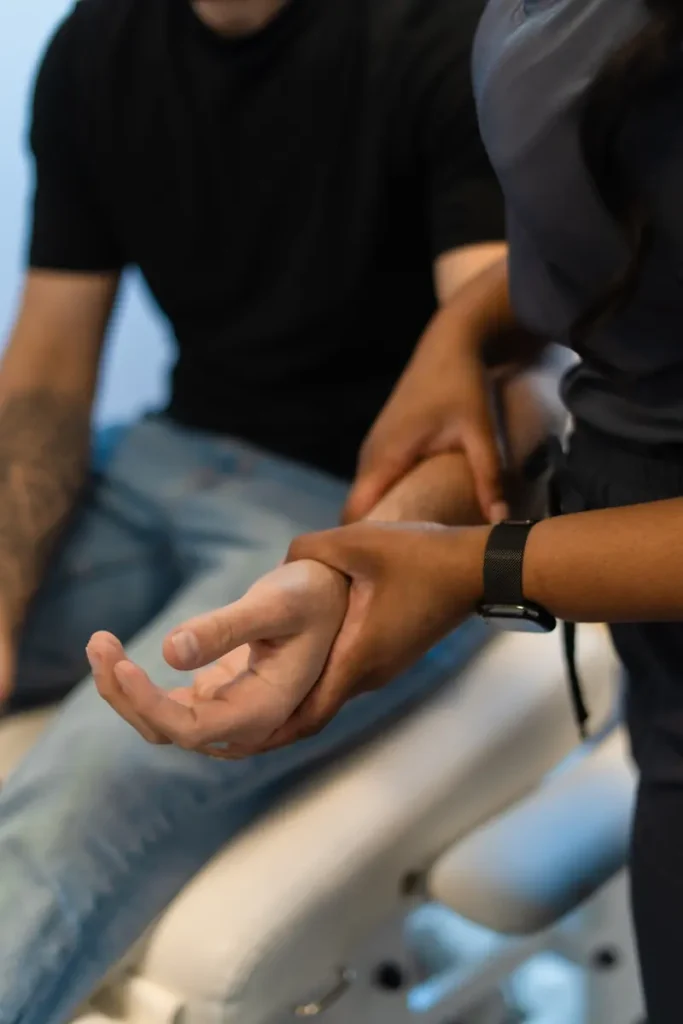
PRP may be considered for these common orthopedic problems, depending on your diagnosis and overall health.
Chronic pain on the outside of the elbow, one of the tendon conditions with the most research support for PRP.
Ongoing heel cord pain and swelling that has not improved with rest, bracing or physical therapy.
Mild to moderate knee arthritis causing pain and stiffness, where PRP may help some patients delay more invasive care.
Jumper's knee and other overuse tendon pain at the front of the knee, common in active adults and athletes.
Shoulder tendon irritation or partial injury, evaluated case by case with exam and imaging.
Selected ligament sprains and mild tears that are slow to heal with standard conservative treatment.
03 / Treatment Options
PRP is rarely used alone, so we build it into a broader plan that matches your goals.
A concentrated platelet injection placed directly into the injured tendon, ligament or joint. Image guidance may be used to help with accurate placement.
Guided exercises and a gradual return to activity help support recovery after a PRP injection.
Depending on your condition, our regenerative medicine team may also discuss options such as stem cell therapy.
Rest, bracing, physical therapy and medication are often tried first or used alongside PRP.
If damage is too advanced for injections, our orthopedic surgeons can explain surgical and joint replacement options.
04 / What to Expect
01
Your specialist reviews your symptoms and history and may use on-site X-ray, MRI or ultrasound to confirm the source of your pain.
02
A small blood sample is taken from your arm, similar to a routine lab draw.
03
The sample is spun in a centrifuge to separate and concentrate the platelet-rich plasma. The full visit typically takes about an hour.
04
The PRP is injected into the treatment area. We then guide your activity, rehab and follow-up visits to track your progress.
05 / Why FTG Ortho
PRP works best when it is matched to the right diagnosis. Our board-certified orthopedic specialists combine a careful exam with on-site imaging so treatment is based on a clear picture of your injury.
Is it right for you?
Good candidates usually have a chronic tendon injury or mild to moderate joint arthritis that has not improved enough with standard care. Many are hoping to avoid or delay surgery. PRP may not be a good fit for people with certain blood disorders, active infections or some cancers, so a consultation comes first.
Schedule a PRP consultation at FTG Ortho in Aventura and get a clear, personalized plan for your joint or tendon pain.
FAQs
Answers to common questions about PRP therapy at FTG Ortho in Aventura, FL.
Most patients notice gradual improvement over several weeks, and some keep improving for a few months. The AAOS notes that pain at the injection site may increase for the first week or two before benefits appear. Timelines vary with the condition, its severity and how your body responds, so your FTG Ortho specialist will set realistic expectations and follow your progress.
Recovery is usually mild. Soreness, swelling or stiffness at the injection site for a few days is common. Most people return to daily activities soon after, but your provider may limit strenuous exercise or certain medications for a short time. A gradual rehab plan helps protect the treated area while it heals.
PRP is generally considered low risk because it is made from your own blood. According to the AAOS, the most common issue is temporary pain at the injection site, and rates of infection, tissue damage or nerve injury appear similar to cortisone injections. Every procedure is done under sterile conditions, and your provider will review your health history first.
PRP may help some patients with mild to moderate knee osteoarthritis. The AAOS reports a growing body of research supporting PRP for low to moderate grade knee arthritis, with some studies showing results lasting up to two years. It does not rebuild lost cartilage, and results vary. Advanced arthritis may be better served by other treatments.
The cost of PRP varies with the area treated and how many injections you need. Many insurance plans do not cover PRP for orthopedic conditions, so it is often an out-of-pocket expense. At your consultation, FTG Ortho will explain your expected costs and treatment plan before you decide.
Keep exploring
Regenerative medicine at FTG Ortho uses treatments like platelet-rich plasma (PRP) and stem cell therapy to support the...
Sports medicine at FTG Ortho focuses on diagnosing, treating and preventing sports and activity-related injuries of the...
Joint replacement at FTG Ortho replaces a damaged hip, knee or shoulder joint with durable implant components to relieve...
This page is for general information and is not medical advice. Results vary. Talk with a qualified provider about your condition.