Most orthopedic problems are not treated with surgery first. An orthopedic specialist usually recommends surgery only when a careful exam and imaging show a problem that is unlikely to heal on its own, or when well-chosen nonsurgical care has been tried and has not given you enough relief.
If you are dealing with a painful knee, shoulder, hip or back, that answer may be a relief. Here is how the decision is typically made, what questions your doctor is trying to answer, and what you can do to take part in the choice.
Key takeaways
- Many joint, muscle and spine conditions improve with nonsurgical care such as activity changes, physical therapy, medication and injections.
- Imaging like X-ray, MRI and ultrasound helps confirm what is wrong, but the picture is only one part of the decision.
- Surgery is usually considered when symptoms limit your life and conservative care has not worked, or when an injury is unlikely to heal without repair.
- A few warning signs, like new leg weakness or loss of bladder or bowel control, need immediate medical attention.
What happens at your first orthopedic visit?
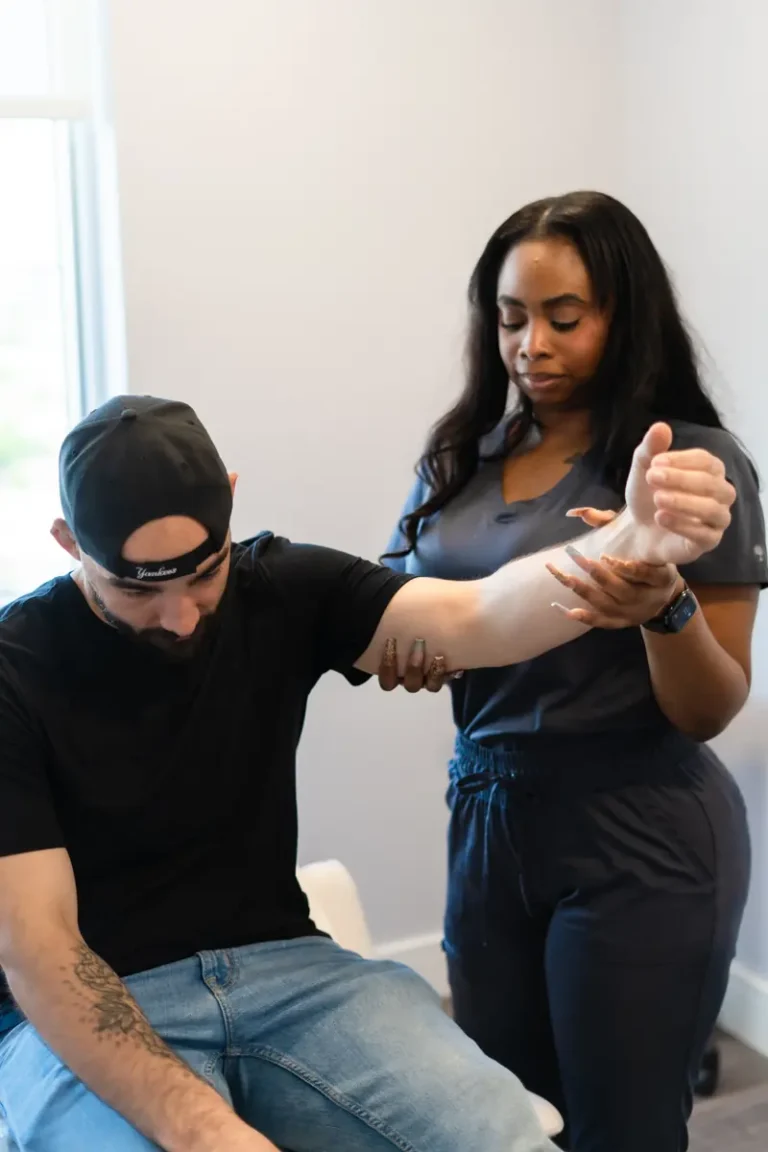
Your first visit is about getting the diagnosis right. According to the American Academy of Orthopaedic Surgeons (AAOS), an orthopedic surgeon starts with your history and a physical exam, then orders imaging or blood tests if they are needed, and talks with you about the diagnosis and a treatment plan.
Expect questions like these:
- When did the pain start, and was there a specific injury?
- What makes it better or worse?
- Does the joint lock, catch, give way or feel unstable?
- Do you have numbness, tingling or weakness?
- What have you already tried, and for how long?
- What do you want to get back to, whether that is work, golf, pickleball or playing with your grandkids?
That last question matters more than many people expect. The right plan for a competitive athlete may look different from the right plan for someone who wants to walk comfortably around the neighborhood.
Why is nonsurgical care usually the first step?
Nonsurgical care comes first because it often works, and it carries fewer risks than an operation. AAOS notes that options like medication, injections, exercise and physical therapy can treat many conditions without surgery and can often resolve symptoms or delay the need for surgery.
Low back pain is a good example, and it is one reason spine care usually begins conservatively. AAOS says that in most cases, low back pain goes away on its own within a few weeks. For knee arthritis, AAOS lists a range of first-line steps, including weight loss, low-impact exercise, physical therapy, bracing and anti-inflammatory medication.
Common nonsurgical options include:
- Activity changes: swapping high-impact exercise for swimming or cycling for a while.
- Physical therapy: building strength, flexibility and balance around the injured area.
- Medication: over-the-counter or prescription anti-inflammatories when they are safe for you.
- Bracing or support: to protect a joint while it heals.
- Injections: such as corticosteroids, or in some cases regenerative medicine options like PRP, depending on the condition.
- Weight management: for people whose extra weight adds stress to the knees and hips.
How does imaging help decide whether you need surgery?
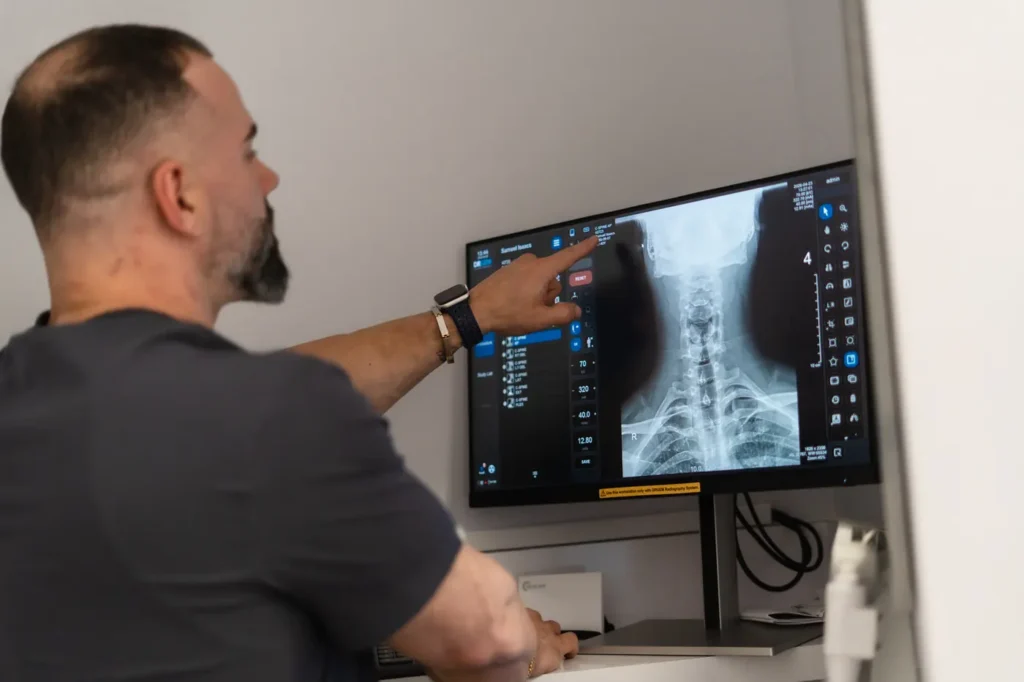
Imaging shows what is happening inside the joint, and it helps your doctor match your symptoms to a cause. X-rays show bone, joint space narrowing and bone spurs. MRI shows soft tissue such as ligaments, tendons, cartilage and the meniscus. Ultrasound can show tendons and soft tissue in real time.
For an ACL injury, for example, AAOS explains that an MRI is not always required for diagnosis, but it helps find other knee injuries and judge how severe the tear is.
Here is the important part: an abnormal scan does not automatically mean surgery. Many adults have wear and tear on imaging that causes few or no symptoms. Your doctor weighs the images together with your exam, your symptoms and your goals.
At FTG Ortho in Aventura, patients have access to on-site digital imaging, including X-ray, MRI and ultrasound, which can help speed up the path from first visit to a clear diagnosis.
When does surgery make sense?
Surgery tends to make sense when the expected benefit clearly outweighs the risks for you. That usually falls into a few situations:
- Conservative care has not worked. AAOS says surgery for knee arthritis is considered when pain causes disability and has not improved with nonsurgical treatment. For back pain, AAOS notes surgery is generally considered only after nonsurgical care has been tried, often for 6 months to a year, and only when the source of pain can be pinpointed.
- The injury is unlikely to heal on its own. Some fractures, complete tendon ruptures and certain ligament tears may need repair or reconstruction, especially in active people.
- The joint is unstable or mechanically blocked. A knee that keeps giving way or a joint that locks may point to a structural problem.
- Advanced joint damage. When arthritis has worn down a joint and daily life is limited, joint replacement may be discussed.
Even then, surgery is a shared decision. A good orthopedic team explains what the operation involves, the recovery timeline, the risks and what could happen if you wait.
Which symptoms need urgent care?
Some symptoms should not wait for a routine appointment. AAOS lists leg weakness and loss of bladder or bowel control with back pain as signs that need immediate medical attention. A bone poking through the skin, a limb that looks clearly out of place, or a cold, numb hand or foot after an injury also call for emergency care right away.
Questions to ask before agreeing to surgery
- What exactly is the diagnosis, and what did my imaging show?
- What nonsurgical options are still reasonable for me?
- What is likely to happen if I wait?
- What does recovery look like, and how long until I can return to work or sports?
- What are the main risks for someone with my health history?
It is also reasonable to ask for a second opinion. A thoughtful surgeon will welcome it.
Frequently asked questions
Can an MRI alone tell me if I need surgery?
No. An MRI is a helpful tool, but it is only one piece of the picture. Your doctor combines imaging with your exam, how long you have had symptoms, what you have tried and what you want to get back to doing.
How long should I try physical therapy before considering surgery?
It depends on the condition. Many people notice change within several weeks of consistent therapy. For some problems, such as chronic back pain, AAOS describes trying nonsurgical care for months before surgery is considered. Your doctor can give you a timeline for your situation.
If I avoid surgery now, will I need it later?
Not necessarily. Many patients manage well long term with nonsurgical care. Others eventually choose surgery when symptoms progress. Regular follow-up helps you and your doctor decide at the right time.
Get a clear answer for your joint or spine
If you live in Aventura or elsewhere in South Florida and are not sure whether your pain needs surgery, a visit with FTG Ortho’s board-certified orthopedic team can help. We start with a careful exam and on-site imaging, then walk you through nonsurgical and surgical options so you can decide with confidence. Request an appointment or call (305) 937-1999.
This article is for general education only and is not medical advice. Every patient is different. Talk with a qualified physician about your symptoms, diagnosis and treatment options.