PRP (platelet-rich plasma) therapy is an injection made from your own blood that concentrates platelets, which carry growth factors involved in healing. The evidence is strongest for certain chronic tendon problems, like tennis elbow, and for mild to moderate knee arthritis, while for many other uses the research is still mixed.
That honest picture matters. PRP gets a lot of attention, and it can be a helpful option for the right patient. It is not a cure-all, and a good orthopedic team will tell you where it fits and where it does not.
Key takeaways
- PRP is made from a small sample of your own blood, spun in a centrifuge to concentrate the platelets.
- Research support varies by condition. It is more encouraging for chronic tennis elbow and mild to moderate knee osteoarthritis than for many other injuries.
- Soreness at the injection site for a week or two is common, and benefits may take several weeks to appear.
- Few insurance plans cover PRP, so ask about cost before treatment.
What is PRP therapy?
PRP is plasma with a higher-than-normal concentration of platelets. The American Academy of Orthopaedic Surgeons (AAOS) explains that the platelet concentration in PRP can be 5 to 10 times greater than usual. Platelets are best known for helping blood clot, but they also release growth factors that play a role in tissue repair.
The process is simple:
- A small amount of blood is drawn from your arm.
- The blood is spun in a centrifuge to separate and concentrate the platelets.
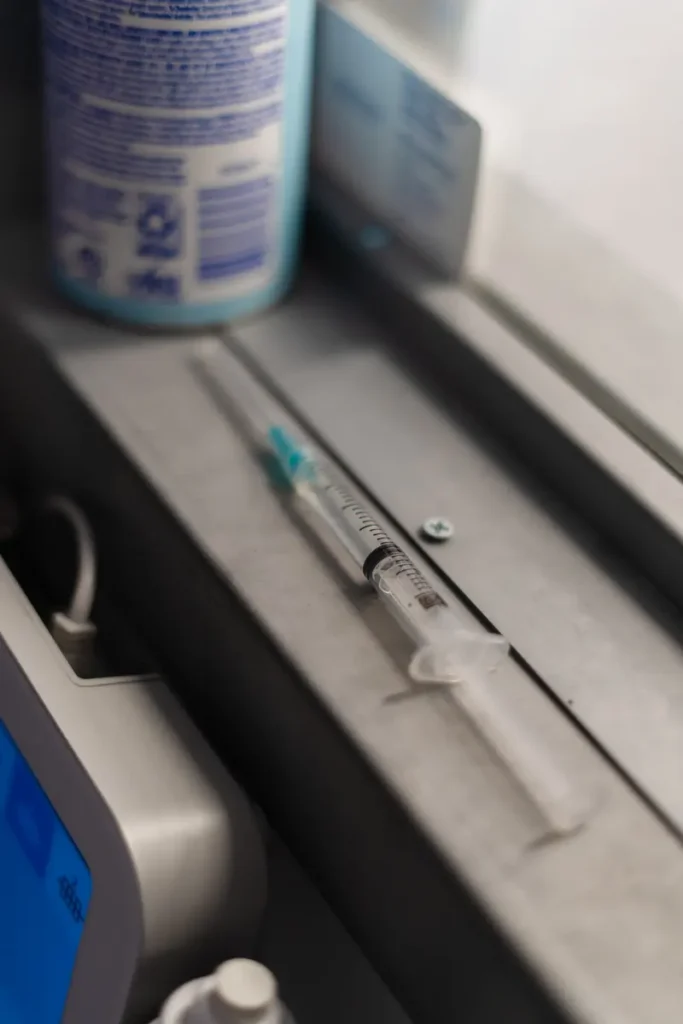
- The PRP is injected into the injured or painful area, often with imaging guidance.
AAOS notes that it is still not exactly clear how PRP works. Lab research suggests the concentrated growth factors may help speed healing, but researchers are still learning which preparations work best for which problems.
What conditions is PRP used for?
PRP is most often discussed for tendon and joint problems, including:
- Chronic tennis elbow (lateral epicondylitis)
- Achilles and patellar tendon pain
- Knee osteoarthritis
- Some muscle and ligament injuries in athletes, often managed alongside sports medicine care
At FTG Ortho, PRP is part of our regenerative medicine services, alongside other nonsurgical treatments.
What does the evidence say about PRP?
The research on PRP depends a lot on the condition being treated. Here is a plain-English summary based on AAOS patient education:
- Chronic tennis elbow: research supports PRP for this condition.
- Knee osteoarthritis: AAOS reports that the literature increasingly supports PRP for low- to moderate-grade knee arthritis, with some benefits lasting up to 2 years in studies. AAOS’s knee arthritis page is more cautious, noting that PRP shows promise but that clinical studies have not yet confirmed its value for osteoarthritis. In other words, the signal is encouraging but not settled.
- Achilles and patellar tendon pain: results are promising, but it has been hard to show PRP works better than traditional treatment.
- During rotator cuff or ACL surgery: studies have found little or no added benefit.
- Fractures: no significant benefit has been shown.
AAOS also points out that results can vary based on the body area treated, your overall health, whether the injury is new or long-standing, and how the PRP is prepared. That is why it is important to have a specialist confirm the diagnosis before choosing PRP.
Is PRP right for me?
PRP may be worth discussing if you have a confirmed tendon problem or mild to moderate knee arthritis and you have not gotten enough relief from rest, physical therapy, activity changes or medication. It is usually less likely to be the first choice for severe arthritis or for injuries that need surgical repair.
A good candidate conversation covers:
- Your exact diagnosis, confirmed by exam and imaging
- What you have already tried
- Your goals, such as walking, working or getting back to sports
- Your health history and any medications, especially blood thinners or anti-inflammatories
- Cost, since PRP is often an out-of-pocket treatment
What to expect from PRP at FTG Ortho
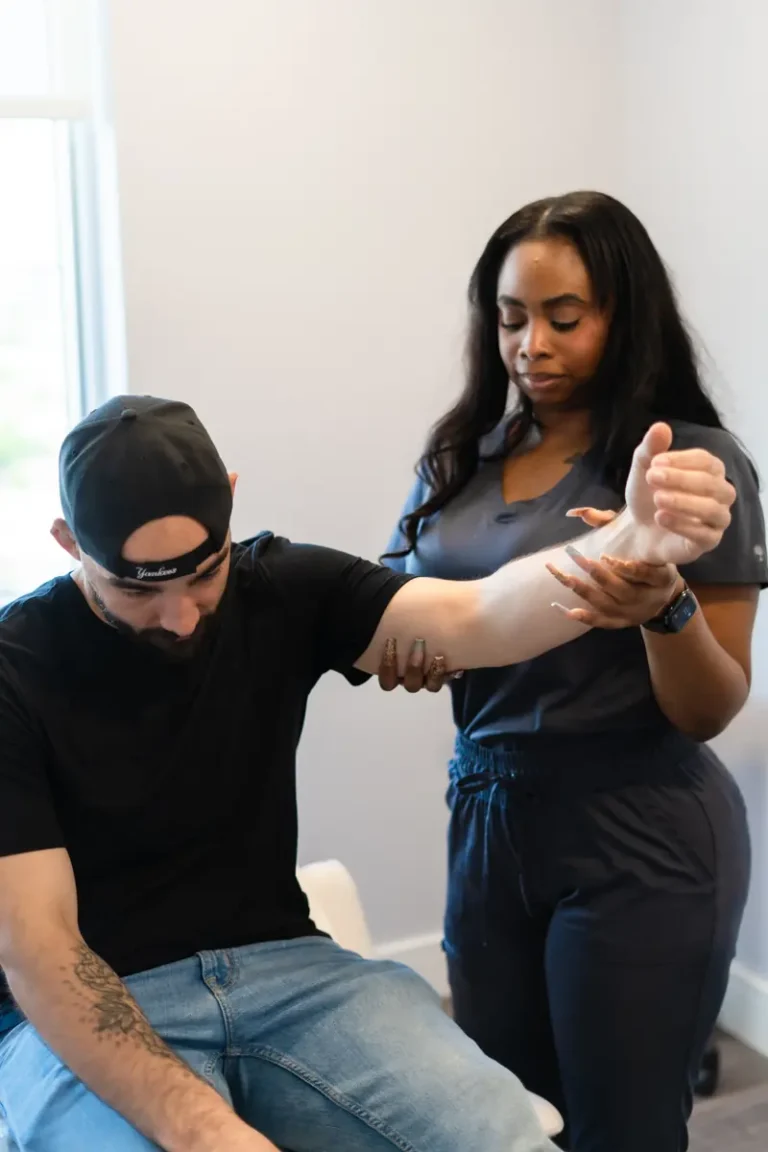
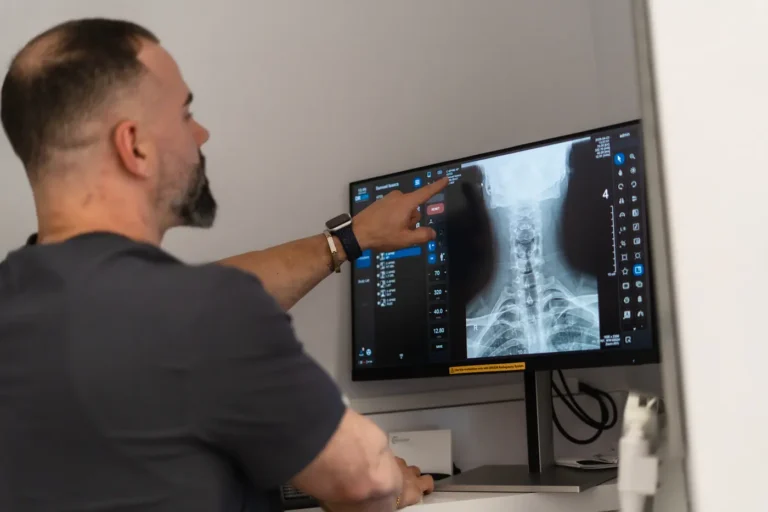
At our Aventura clinic, the process typically starts with a full evaluation. Our team may use on-site imaging, such as ultrasound or MRI, to confirm the source of your pain and help guide the injection.
On treatment day, the blood draw, preparation and injection are done in one visit. Afterward, AAOS notes that the main side effect is increased pain at the injection site, which may last one to two weeks. Benefits, if they come, may take several weeks to show. AAOS describes the risks of infection, tissue damage and nerve injury as minimal and similar to those of a cortisone injection.
Your provider will give you guidance on activity, pain relief and follow-up. Many PRP plans are paired with physical therapy or a home exercise program, since strengthening the area is still a key part of recovery. You can read more on our PRP therapy page.
Does insurance cover PRP?
Often, it does not. AAOS notes that few insurance plans, including workers’ compensation plans, provide even partial reimbursement for PRP. Check with your insurer and ask our team about costs before you schedule.
Frequently asked questions
Does a PRP injection hurt?
Most people feel some discomfort during the injection and soreness for several days afterward. AAOS notes that pain at the site may increase for one to two weeks. Your provider will explain how to manage it safely.
How long does it take for PRP to work?
PRP is not an instant fix. AAOS says any benefit may take several weeks to appear. Results vary from person to person and by condition.
Is PRP the same as stem cell therapy?
No. PRP uses concentrated platelets from your blood. Stem cell treatments use different cells and preparations. Both fall under regenerative medicine, and your doctor can explain how they differ for your condition.
Talk with a specialist about PRP
If you are in Aventura or North Miami-Dade and want an honest opinion on whether PRP makes sense for your knee, elbow or tendon pain, FTG Ortho’s board-certified team can help you weigh it against your other options. Request an appointment or call (305) 937-1999.
This article is for general education only and is not medical advice. Every patient is different. Talk with a qualified physician about your symptoms, diagnosis and treatment options.