You should see an orthopedic doctor for a sports injury if you cannot put weight on the area, if the joint looks deformed or feels unstable, or if pain and swelling are not improving after a few days of home care. Minor bumps and mild strains often heal with rest, but some injuries get worse when you try to tough them out.
Knowing the difference can save you weeks or even months on the sidelines. Here is how to tell when it is safe to wait, when urgent care or the ER makes sense, and when an orthopedic specialist is the right call.
Key takeaways
- Severe pain, major swelling, inability to bear weight or an obvious deformity are reasons to get checked.
- A pop followed by swelling and a knee that gives way may signal a ligament injury such as an ACL tear.
- Pain in one spot on a bone that gets worse with activity can be an early stress fracture, which may not show on the first X-ray.
- An orthopedic specialist can confirm the diagnosis with an exam and imaging, then guide a safe return to play.
When is it OK to wait it out?
Many mild sprains, strains and bruises improve with home care. The National Institute of Arthritis and Musculoskeletal and Skin Diseases (NIAMS) recommends the RICE approach for minor injuries: rest, ice for 20 minutes at a time, compression with an elastic bandage and elevation above the level of the heart.
Waiting is usually reasonable when:
- You can walk or use the area with only mild discomfort
- Swelling is small and starts to improve within a day or two
- There was no pop, snap or sense of the joint shifting
- Pain steadily gets better each day
What are the red flags that mean you should see a doctor?
NIAMS advises seeing a health care provider for severe pain, swelling or bruising, pain and swelling that do not go away after a few days, inability to put any weight on the area, or an obvious deformity. Other warning signs include:
- A pop at the moment of injury, followed by quick swelling
- A knee, ankle or shoulder that feels loose, gives way or locks
- Numbness, tingling or weakness in the arm or leg
- Pain at one specific spot on a bone
- Pain that wakes you up at night
- Symptoms that keep coming back every time you return to play
Should I go to urgent care, the ER or an orthopedic doctor?
It depends on how serious the injury looks right now.
- Go to the emergency room for a bone poking through the skin, a limb that is clearly out of place, a cold or pale hand or foot, a head or neck injury, or severe pain you cannot control. AAOS notes that open fractures are especially serious because of the risk of infection.
- Urgent care can be a reasonable first stop after hours for a possible simple fracture or sprain. Many patients are still referred to an orthopedic specialist for follow-up.
- An orthopedic doctor is often the best next step for joint injuries, suspected ligament or tendon tears, possible stress fractures, and any injury that is not getting better. A sports medicine team focuses on getting you back to your activity safely, not just treating the pain.
Which sports injuries most often need a specialist?
ACL and other knee ligament injuries
AAOS explains that many people with an ACL tear hear a popping noise and feel the knee give out, with swelling and pain within about 24 hours. The swelling may fade, but returning to sports too soon can lead to more instability and damage to other parts of the knee, such as the meniscus.
Stress fractures
Stress fractures often start as pain at one spot on a bone during or after activity. AAOS notes they commonly show up 3 to 4 weeks into a new training routine or season, and that pushing through the pain can turn a bone stress reaction into a full fracture. Runners and court athletes in Aventura and across South Florida, where people train outdoors year-round, should take this kind of pain seriously.
Sprains and strains that do not improve
AAOS notes that moderate sprains may need bracing, such as a walking boot for the ankle or a hinged knee brace, and the most severe ligament or muscle tears may need surgery. An exam can tell the difference.
Shoulder and elbow injuries
Repeated throwing, swinging or overhead movement in sports like tennis, golf, pickleball and baseball can strain tendons and ligaments. Ongoing pain or weakness is worth a visit.
How is a sports injury diagnosed?
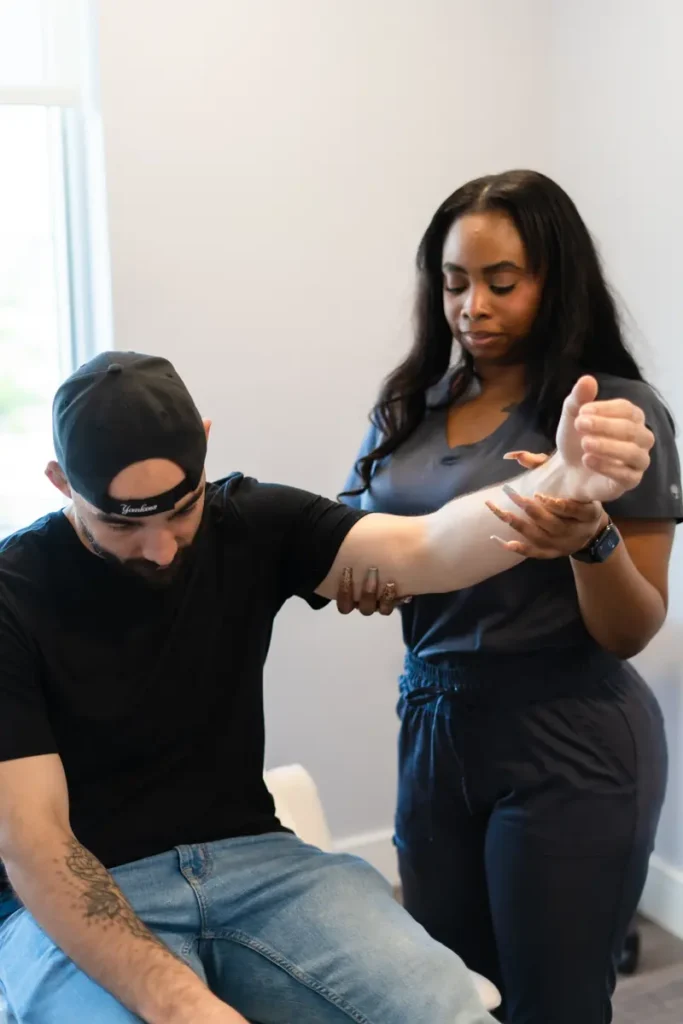
Your orthopedic doctor will ask how the injury happened, examine the area and compare it with the uninjured side. Imaging is often next:
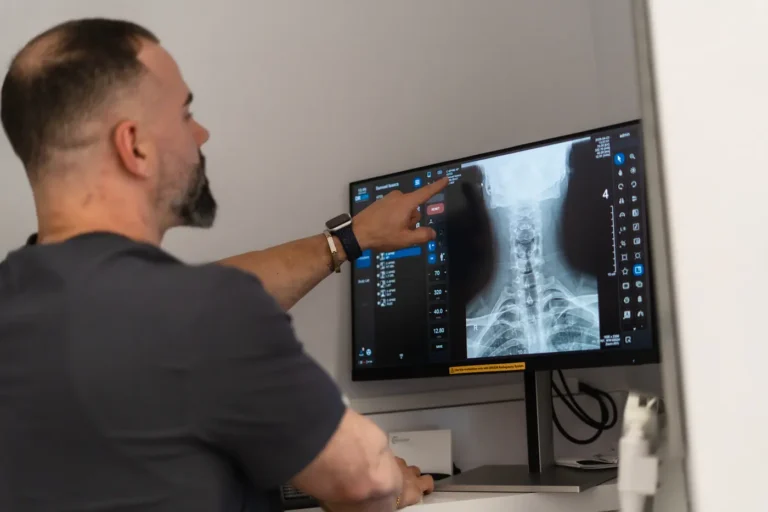
- X-rays show bones and can reveal fractures. Early stress fractures may not appear on X-ray.
- MRI shows ligaments, tendons, cartilage and bone swelling, and can catch injuries an X-ray misses.
- Ultrasound can look at tendons and soft tissue in real time.
FTG Ortho offers on-site X-ray, MRI and ultrasound at our Aventura clinic, which can help you get answers sooner. If you were hurt on the job, our team also handles work comp and liability cases.
Frequently asked questions
How long should I wait before seeing a doctor for a sprain?
If pain and swelling are not clearly improving after a few days of rest and ice, it is a good idea to get checked. See someone sooner if you cannot bear weight or the joint feels unstable.
Can I keep playing if it only hurts a little?
Playing through mild soreness is different from playing through a new injury. Pain at one spot on a bone, swelling or a joint that gives way are signs to stop and get evaluated.
Do all sports injuries need surgery?
No. Many are treated with rest, bracing, physical therapy and a gradual return to activity. Surgery is usually reserved for injuries that are unlikely to heal on their own or that do not respond to other care.
Get back in the game safely
If a sports injury is keeping you from training, playing or simply moving comfortably, FTG Ortho’s board-certified sports medicine and orthopedic team can help you find out what is wrong and what to do next. Request an appointment or call (305) 937-1999.
This article is for general education only and is not medical advice. Every patient is different. Talk with a qualified physician about your symptoms, diagnosis and treatment options.
Sources
- www.niams.nih.gov/health-topics/sports-injuries
- www.orthoinfo.org/diseases–conditions/anterior-cruciate-ligament-acl-injuries
- www.orthoinfo.org/diseases–conditions/stress-fractures
- www.orthoinfo.org/diseases–conditions/sprains-strains-and-other-soft-tissue-injuries
- orthoinfo.org/en/diseases–conditions